USB host
Name the Android build, the plug (USB-C, Micro-USB with OTG, or a dock), and whether the port supplies data or charging current on that tablet. A photo of the socket is a clue, not a driver test.
Independent sourcing partner
A buyer searching for an android usb network adapter rj45 needs the host port, the RJ45 speed, and the driver story written down before factories price the same brief. LinkScope Sourcing 21 collects that note and asks suppliers to answer it line by line.
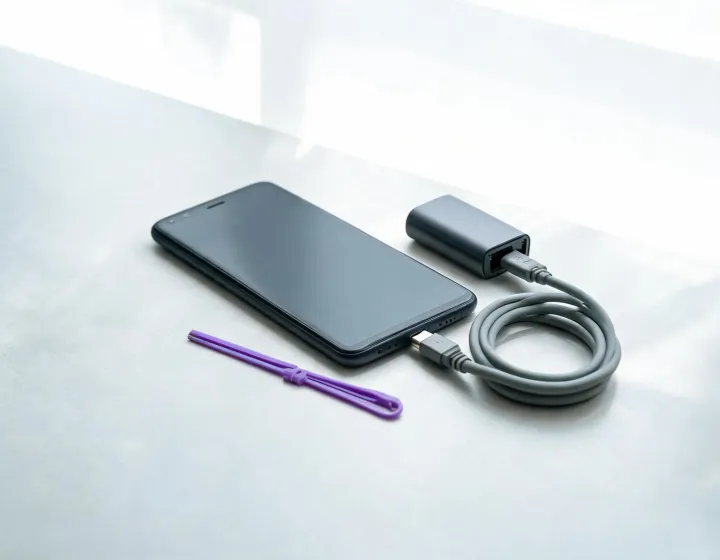
Leave a box blank when the handheld survey is unfinished. Mark it as an open question so two factories do not invent different assumptions.
Name the Android build, the plug (USB-C, Micro-USB with OTG, or a dock), and whether the port supplies data or charging current on that tablet. A photo of the socket is a clue, not a driver test.
Write the PHY you want quoted: 100 Mbps, 1 Gbps, or still undecided. IEEE 802.3 names a standard family. It does not prove this dongle links to your switch.
Ask for the adapter current at the USB connector and the cable length included. Handheld ports often limit current. An external supply changes the delivered scope.
Request the manufacturer, model, and a datasheet revision tied to that model. Chipset marketing names are not a substitute for the proposed part number.
Two buyer forks belong in the same note. A managed far-end switch can show the negotiated speed and errors, while an unmanaged port cannot, so say which port you have. An OEM-marked chipset may track a vendor driver note more closely, while a compatible chipset may widen the factory list after you check the Android build. Neither side is a pass by itself.
Each row is a buyer search, not a stocked SKU. Open the inquiry cards when you want a name dropped into the form. Read the procurement brief for the longer checklist.
Handheld or tablet hosts. Confirm OTG, driver, and whether the link must stay up while the device charges. Quantity is usually pieces, packed for a US destination.
Start this briefThe measured term names a buyer request. This desk is not that phone maker and does not present a factory channel for it. Quote the plug, the PHY, and the Android release you will test against.
See inquiry cardsBuyers often type USB 20 when they mean a USB 2.0 bus. Signaling on that bus is a different question from the RJ45 rate printed on the shell. The quote scope page separates those two numbers.
Open the quote scopeUseful when the far end is a 100BASE-TX camera, a legacy switch, or a handheld that never needs gigabit. Site constraints live on the application page.
Map the site useA slot card is not a USB dongle. Lanes, PHY (10GBASE-T or SFP+), heat, and driver belong on the Requirement Checklist.
Open the checklistHost platform, USB or PCIe interface, RJ45 or SFP connector, target speed, quantity, US destination, and the timing the quote should assume. Add an optional budget with currency and say whether it is per unit or for the whole order.
LinkScope Sourcing 21 sends the same written brief to factories and lines up the replies. Matching is a coordination step. It is not an audit, a stock statement, or a claim that a plant has been visited.
Port count, switching capacity, and PoE budget describe many switches. A single-port USB adapter usually has none of those. Ask for the PHY, the host bus, and the driver instead of copying a switch RFQ.
A current datasheet, the test basis for link speed, applicable FCC or NRTL documents if the supplier claims them, and the warranty route. The IEEE 802 overview is a question source. It does not certify the proposed adapter.
Driver downloads, OS support windows, spare cables, and freight are separate lines. Compare total procurement scope after those lines match. Do not treat a headline unit price as the delivered cost.
Write the host, the connector, the speed, the quantity, and the US destination in one note. A missing driver name stays visible as an open item.
Preference is a buying stance. It is not a rating this desk has verified. No factory price is required to start.
QUALIFIED BUYER SUPPORT
Sourcing support benefit is limited to up to 3%.
Eligibility applies to qualified business buyers and is confirmed after we review your product, quantity, destination, and sourcing requirements.