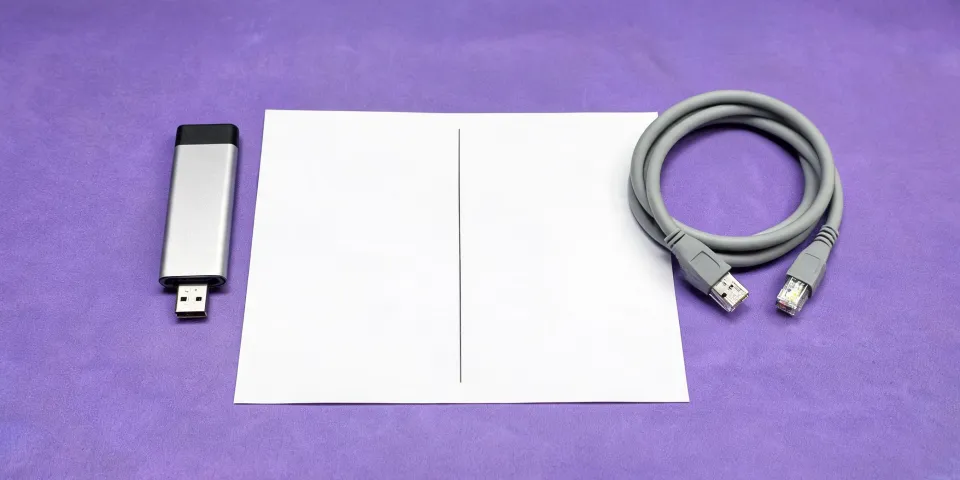
What each factory quotation has to answer
Use one sheet so a missing cable or a missing driver does not hide inside a unit price. LinkScope Sourcing 21 does not publish a savings rate. The comparison is the delivered scope, not a percentage off a catalog that this desk does not hold.
| Line | Ask the factory to state | Buyer check |
|---|
| USB bus | USB 2.0, USB 3.x, or the exact specification name, plus the plug | Do not treat 480 Mbps signaling as a measured file transfer |
| RJ45 PHY | 100BASE-TX, 1000BASE-T, or another IEEE 802.3 PHY the model claims | Bind the claim to the proposed model number |
| Host | Windows, macOS, Linux, or Android builds the driver note covers | A generic chipset page is not your OS test |
| Cable and shell | Included length, latch, shielding, and whether a coupler is in the box | Price a missing 1 m cord as its own line |
| Power | Bus-powered current or an external supply | Confirm the host port can supply it |
| Commercial basis | Quantity, currency, per unit or whole order, Incoterm, freight, duties | Normalize before reading the headline number |
| Exclusions | Software support window, spare pieces, and return route | List them even when the value is none |
Costs that should stay outside the adapter unit
Freight to the US destination, duties, a longer patch cord, a dock that actually carries data, and any paid driver support are separate. If the quote is silent, mark the line unknown rather than assuming it is included. An optional target budget needs a currency and a basis: one adapter, or the whole release.
Procurement scenario: a kiosk refresh with mixed ports
Background: a buyer needs 80 pieces for Android kiosks, some USB-C and some Micro-USB, shipping to Ohio. Process: the sheet splits the two plugs into two lines, asks whether each line is bus powered, and sets 1000BASE-T as preferred with 100BASE-TX as an allowed deviation. Result: factories can price both lines. The desk does not treat the deviation as already accepted. The buyer still reviews the exact model file.
Open the inquiry configurations if a card name should travel with the note. The contact page holds the longer worksheet beside the form.